


A SMIC of €12.51 gross per hour from December
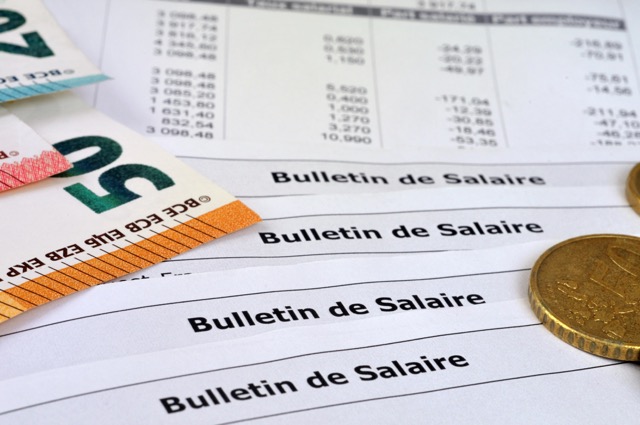
BFMTV reported on 8 November that the government is considering bringing forward an increase in the SMIC to 1 December 2026, which would lift the minimum wage above €1,500 net per month.
The move comes amid social tensions and coincides with the conference of trade unions and employers’ organisations at Matignon, the Prime Minister’s office, on Monday 9 November.
A 1.6% increase would raise the gross hourly SMIC from €12.31 to around €12.51. That is almost €1,502 net per month for a full-time employee.

It would be the third increase this year, after those in January and June 2026.
| Indicator | Current SMIC | Scenario from 1 December |
|---|---|---|
| Gross hourly rate | €12.31 | €12.51 |
| Gross monthly wage, 35 hours | ≈ €1,867 | ≈ €1,897 |
| Estimated net monthly wage | ≈ €1,478 | ≈ €1,502 |
| Change in hourly rate | — | approx. +1.6% |
The December amounts are indicative and depend on the official rate being published.
The increase may look modest in absolute terms, but its consequences for employers go well beyond the extra pay.
In the hotel and restaurant sector, the announcement comes just as businesses have started applying a new collectively agreed pay scale.
The new HCR pay scale is already being caught up by the SMIC
Since 1 November 2026, businesses covered by the national collective agreement for hotels, cafés and restaurants (HCR) have been applying the minimum rates set out in Amendment No. 36.
The agreement was negotiated in June and signed by the employers’ organisations UMIH, GHR and GNC and by the CFDT and CFE-CGC unions. It was extended by an order dated 12 October and published in the Journal officiel on 15 October.
However, its first step was set at €12.31 gross per hour, which was the SMIC in force when the scale took effect.
With the minimum wage raised to €12.51, the first three steps of Level I would fall below the legal floor.
| HCR classification | Hourly minimum from 1 November | Gap with a SMIC of €12.51 |
|---|---|---|
| Level I – Step 1 | €12.31 | −€0.20 |
| Level I – Step 2 | €12.37 | −€0.14 |
| Level I – Step 3 | €12.47 | −€0.04 |
| Level II – Step 1 | €12.58 | +€0.07 |
| Level II – Step 2 | €12.80 | +€0.29 |
Calculations based on the HCR pay scale in force from 1 November and a SMIC scenario of €12.51.
Employers would then have to pay the employees concerned at least the new SMIC, even where their collectively agreed minimum is lower.
The HCR amendment would still apply legally, but in practice the first three steps of Level I would all sit on the same wage floor.
A pay scale that took several months to negotiate could therefore lose part of its hierarchy only thirty days after coming into force.
This compression of the classifications could lead businesses to review some pay differentials, although they would not automatically be required to raise pay at higher levels.
RGDU: the freeze on employer relief is at the heart of the stand-off
This is the other major part of the issue.
Since 1 January 2026, the réduction générale dégressive unique (RGDU), a single tapering reduction in employer contributions, has replaced the former general relief mechanism.
The reduction is at its maximum for pay at the level of the reference SMIC. It then tapers off gradually and reaches zero at three times the reference SMIC.
However, a specific rule applies in 2026: the SMIC value used to calculate the RGDU is frozen at its 1 January level, even if the minimum wage rises during the year.
As a result, the June increase did not automatically update this reference.
A further increase in December would not change the scale either, unless a new regulation provides otherwise.
This mechanism is at the centre of employers’ demands.
According to Europe 1, employers’ organisations want the freeze lifted so that contribution relief rises in line with the SMIC.
Before the social conference, the Medef was still reporting no concrete progress on this point.
For businesses, the effect is direct. If wages must rise but the reference SMIC used for relief is not updated to match, labour costs can increase.
Two situations should be kept apart: employees directly affected by the SMIC increase and those whose pay stays the same. The effects on the RGDU are not necessarily the same for both groups.
The freeze does not mean employers lose all their relief. It means their scale is not automatically adjusted to the new SMIC value.
The government is preparing a way to put pressure on industry sectors
Beyond the RGDU freeze, the government is reportedly considering a second change that could have a bigger structural impact.
BFMTV reported, and several other media outlets repeated, that a draft decree would change how some employer relief is calculated. The SMIC would be replaced as the reference by the lowest minimum wage rate in each industry sector.
Minister of Labour Jean-Pierre Farandou reportedly said the text was ready. Its aim would be to push sectors firmly towards raising their collectively agreed minimum rates.
The idea would be to reduce the advantage employers get when their sector keeps entry-level pay rates below the SMIC.
This would be a change of approach.
Until now, collectively agreed minimum rates have mainly been a pay obligation negotiated between unions and employers. The government is now reportedly considering using contribution relief as an incentive to raise pay scales.
For businesses, the risk would be twofold. They would have to pay a SMIC above the lowest collectively agreed rates, and the calculation of their exemptions could change to their disadvantage.
However, the exact terms of the scheme have not yet been set out. In particular, it is not yet clear whether the new reference would affect the reduction coefficient, the eligibility ceiling or another part of the calculation.
A possible 10 to 15% revision of relief is also said to have been discussed, but its adoption has not been officially confirmed. Businesses therefore cannot build it into their financial projections yet.
What is the real cost for hotels and restaurants?
In pay terms alone, the move from €12.31 to €12.51 gross per hour would mean an extra €0.20 per hour for an employee currently paid the SMIC.
Based on a 35-hour week, that comes to around €30.33 gross per month, or nearly €364 gross over a full year.
Simulez l'impact de la hausse du SMIC sur votre établissement
Effectif total : 50
Salariés concernés : 60 %
Nombre de salariés concernés : 30
Surcoût brut annuel estimé :
10 920 €
Simulation sur 12 mois, 35 h/semaine, hausse de 0,20 € brut/heure. Hors cotisations patronales, RGDU et effets de grille. Hypothèse non réglementaire.Value-sharing bonus: a useful extra tool, but its effects need measuring
The prime de partage de la valeur (PPV), or value-sharing bonus, gives businesses another pay lever.
In 2026, companies with fewer than 50 employees still benefit from a particularly favourable exemption regime on the bonus, for staff who meet the statutory pay conditions.
However, since 2025 the PPV has counted towards the pay used to calculate the general reduction in employer contributions.
Paying it can therefore reduce the employer’s relief.
With the RGDU scale frozen and a SMIC increase under consideration, this effect needs to be included in payroll cost simulations.
The PPV also cannot replace a mandatory increase required by the SMIC or the collective agreement.
For hoteliers, it remains an additional pay tool. It is neither a substitute for minimum wage rates nor a guarantee that costs will stay neutral.
Strategic analysis | The HCR sector faces two regulatory constraints at once
The clash between the new HCR pay scale, the early SMIC increase and the RGDU freeze exposes a contradiction in current wage policy.
On one side, the government wants to encourage industry sectors to raise their minimum rates and make pay more attractive.
On the other, unions and employers in the hotel and restaurant sector have only just signed an agreement, in force since 1 November, and some of its steps could fall below the legal minimum the following month.
On top of this, the reference SMIC used to calculate employer relief is frozen. This limits the extent to which relief on contributions could have offset a minimum wage increase.
The draft decree under consideration could add to this tension if exemptions were tied more closely to the level of collectively agreed minimum rates.
For hotel owners and investors, the question becomes how predictable operating costs will be.
Payroll is one of the largest items in a hotel’s profit and loss account. Any change in pay, combined with a change in employer relief, can affect GOP, operating margins and the ability to invest.
For groups with several sites, the consequences could also vary with their legal structure, headcount, applicable collective agreements and pay distribution.
So the real issue is not just the planned 1.6% increase. It is how three decisions interact: raising the SMIC, keeping the RGDU freeze and using collectively agreed minimum rates to put pressure on sectors.
Together, these decisions could leave businesses bearing extra costs while giving them less of the visibility they need for wage negotiations.
This gives particular weight to the position UMIH has taken since the spring. By calling for consultation on the freeze on relief, the organisation had spotted an issue likely to become central to future SMIC increases.
The social conference on 9 November should show whether the government intends to stay on this course or open negotiations on the compensation mechanisms employers are demanding.
For the HCR sector, one more question remains: will negotiations on the collectively agreed minimum rates have to be reopened barely a month after they came into force?
At a Glance
- Planned SMIC: €12.51 gross per hour from 1 December 2026, or around €1,502 net per month.
- HCR pay scale: under Amendment No. 36, in force since 1 November, three steps could fall below the new SMIC.
- RGDU: the reference SMIC used to calculate relief remains frozen at its 1 January 2026 value.
- Employers’ position: they want relief unfrozen so that it rises in line with the minimum wage.
- Government plan: some relief could be calculated using the lowest collectively agreed minimum rates.
- Stakes for the sector: wage increases, compressed classifications and changes to employer costs could all hit at once.