



Four Seasons brings hotel and wellness operations under unified management
Four Seasons Hotels and Resorts announced on 6 November 2026 a change to its operating model on the island of Lanai in Hawaii.
From 16 December 2026, Sensei Lanai, a Four Seasons Resort, will be renamed Four Seasons Resort Lanai at Koele. Four Seasons, which already managed the hotel operations, will also assume responsibility for wellness experiences under a unified operating structure.
The move brings to an end the collaborative operating model developed over eight years with Sensei, a company specialising in luxury wellness retreats.

The property will continue operating, with no interruption announced, while retaining its positioning combining luxury accommodation, personalised guidance and wellness experiences.
The resort will continue to operate alongside Four Seasons Resort Lanai, the group’s other property on the island.
Sensei refocuses its expansion on its own retreats
For Sensei, the transition is accompanied by a shift in development priorities.
The company now intends to concentrate its efforts on expanding its portfolio of standalone retreats, including Sensei Porcupine Creek in Rancho Mirage, California.

The separation of operational responsibilities at Lanai will therefore allow Four Seasons to exercise direct control over the entire guest experience, while Sensei continues developing its own concept.
The announcement does not disclose the financial terms of the transition or any contractual arrangements associated with the conclusion of the operating partnership.
A new wellness offering built around four dimensions
Under its new identity, Four Seasons Resort Lanai at Koele will offer experiences developed around Four Seasons’ four wellness pillars:
- Mind: mental balance and relaxation.
- Body: physical activities and body treatments.
- Nutrition: food and nutritional experiences.
- Sleep: sleep and recovery.
The Spa at Koele will be one of the main components of this offering, with experiences tailored to the resort’s natural surroundings.
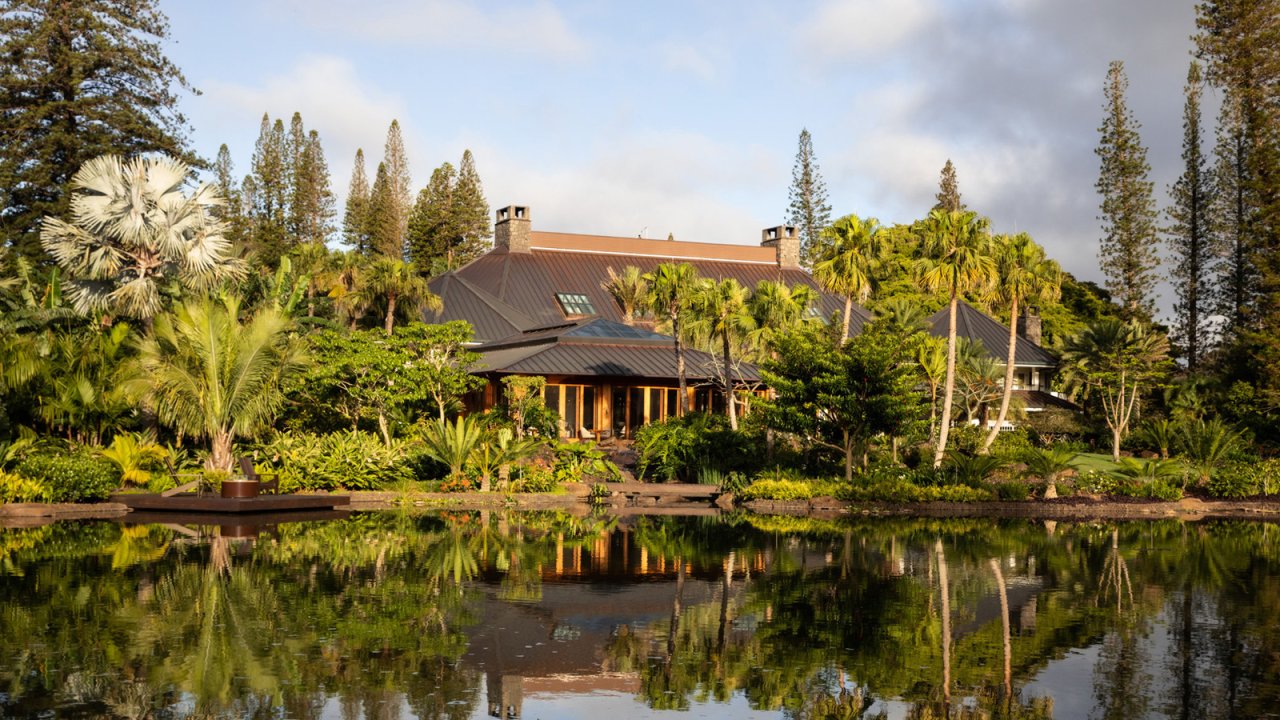
Located in a mountainous area of Lanai, amid tropical vegetation and monumental works of art, the property aims to combine its landscaped setting with an integrated approach to wellness.
This approach forms part of the group’s broader strategy, already illustrated by the launch of ŪRJĀ Naturopathy Island at Four Seasons Resort Maldives at Kuda Huraa, combining luxury hospitality with naturopathic health experiences.
Four Seasons has yet to provide full details of the new programmes or their commercial terms.
Dining experiences by Nobu Matsuhisa
Dining will remain an integral part of the experience at Koele.
The Koele by Nobu restaurant will showcase creations by Japanese chef Nobu Matsuhisa and his team.
The offering will also include dedicated culinary experiences, including afternoon teas, sommelier-led wine tastings and cocktail events.
Beyond the resort, guests will have access to a range of activities organised across the island, including horse riding, marine excursions, cultural discovery experiences, stargazing and off-road adventures.
Lanai covers approximately 90,000 acres, equivalent to 36,400 hectares, with Four Seasons directly organising some of the island’s tourism activities.
Strategic Analysis | Four Seasons brings a key component of its luxury offering in-house
Four Seasons’ assumption of full management responsibility for Sensei Lanai illustrates a potential shift in relationships between international hotel operators and specialist wellness providers.
For eight years, Four Seasons and Sensei developed a model combining the hospitality expertise of an international hotel group with the specialised programmes of a wellness operator.
The transition to a single operating structure may serve several objectives.
Firstly, strengthening the consistency of the guest experience. By bringing accommodation, dining, spa services and wellness programmes under one operational management structure, Four Seasons will be able to align its service standards and the guest journey.
Secondly, gaining more direct control over ancillary revenue streams. Wellness represents an important component of the luxury resort offering. Bringing these activities under direct operational management may facilitate commercial coordination between accommodation, dining and specialist services, without necessarily indicating any actual improvement in revenue or margins.
Thirdly, reinforcing the Four Seasons brand identity. The name change positions the property more explicitly within the brand’s portfolio while preserving its positioning as an upscale retreat.
For Sensei, conversely, a renewed focus on standalone properties may provide greater autonomy in developing its concept and programmes.
This development therefore does not represent an announced hotel acquisition, but rather a reorganisation of the management scope and commercial positioning of an existing asset.
It raises a broader question for owners and operators: should wellness activities be entrusted to independent specialists or integrated directly into hotel operations?
At Lanai, Four Seasons has now opted for the latter approach. The impact of this transition on the resort’s financial performance and commercial positioning remains to be assessed.
This move towards in-house management contrasts with other initiatives undertaken by the group, notably the partnership between Four Seasons Yachts and Lanserhof on longevity programmes, which relies specifically on the expertise of a specialist operator.
At a Glance
Property: Sensei Lanai, a Four Seasons Resort, HawaiiNew name: Four Seasons Resort Lanai at KoeleEffective date: 16 December 2026Operator: Four Seasons assumes full management of hotel and wellness operationsFormer partner: Sensei, following an eight-year collaboration
Strategic direction: Integrated luxury wellness operations for Four Seasons; standalone retreat expansion for Sensei