

Barcelona, a testing ground for the transformation of the MICE market
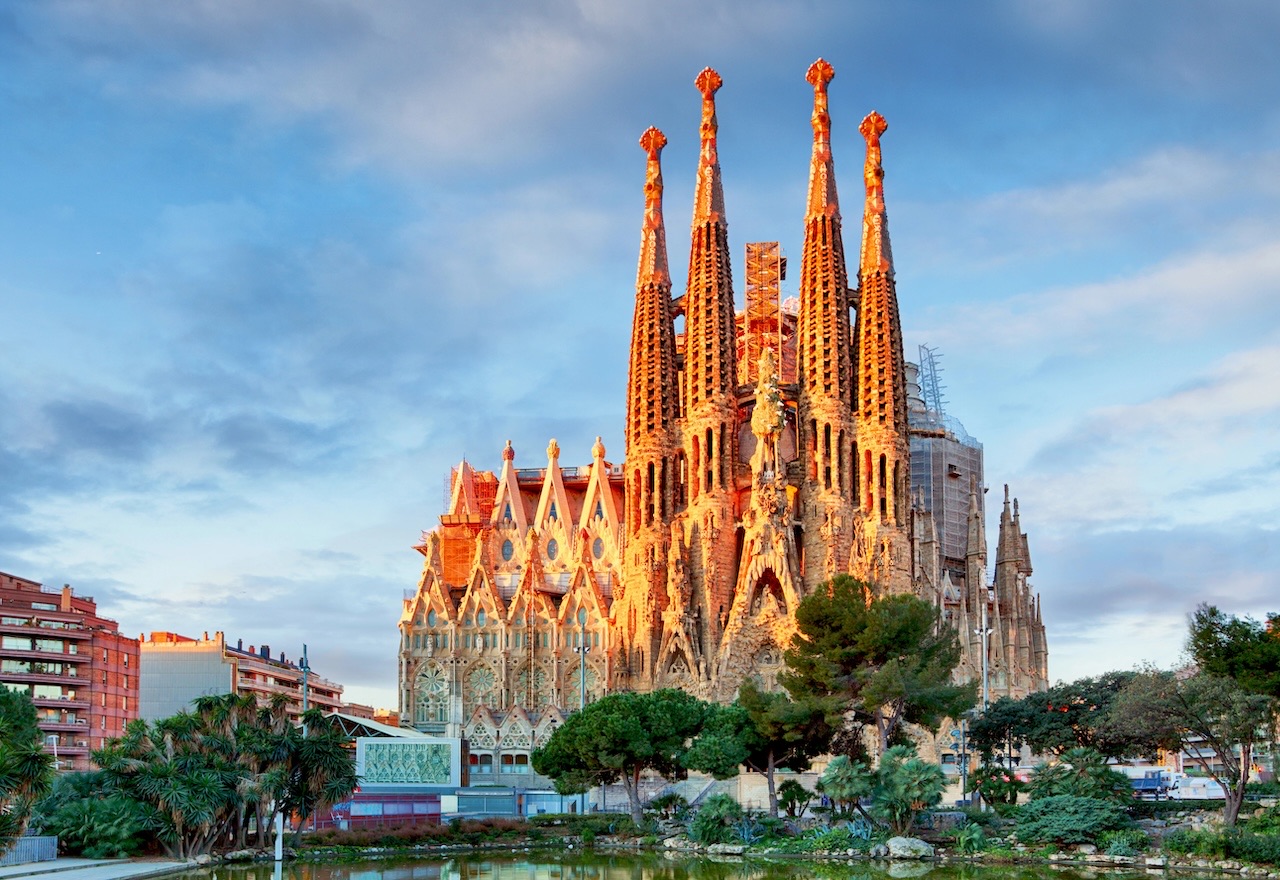
Nearly 12,000 international event professionals are expected at Fira de Barcelona for the 2026 edition of IBTM World, held under the theme Meet the Moment.
More than 2,500 destinations, hotels, event venues, technology suppliers and start-ups are expected to take part in this edition, which, according to the organisers, has an exhibitor retention rate of more than 85%.
Beyond these indicators, the 2026 edition reflects a shift in the positioning of major MICE (Meetings, Incentives, Conferences and Exhibitions) events.

The goal is no longer simply to connect buyers and suppliers. These events must also support the economic, technological and human changes that are redefining business events.
For hotel groups, convention centres and destinations, this transformation directly affects how they design their offer, where they invest in technology and whether they can generate value beyond simply selling space.
Artificial intelligence is transforming the events value chain
One of the main new features of this edition is the expansion of the Event Tech & Services Zone, which is dedicated to event technology, immersive experiences and attendee engagement tools.
Companies such as Cvent, vFairs, fielddrive, CrowdComms and Swoogo are among the announced participants.

The AI for Events – Demo Day LIVE programme, organised with Boldpush, will also give start-ups and established suppliers a platform to present AI-powered solutions.
Meanwhile, IBTM Ignite, developed with allpoints, will bring together 15 investors and 30 start-ups for pitches, meetings and funding opportunities.
These initiatives reflect a gradual broadening of the events ecosystem towards models increasingly built on technology, data and innovation.
For hoteliers, potential applications include automating sales proposals, qualifying group enquiries, personalising events and analysing their profitability.
However, the growing number of technology solutions also raises questions about how well they work with hotel systems and how much they actually improve operational performance.
A ‘Brain Economy’ estimated at $6.2 trillion
The IBTM World Trends Report 2027, a forward-looking study whose initial findings were presented in October, takes a more fundamental look at the economic value of human capabilities.
Written by Alistair Turner, managing director of Eight PR & Marketing, with a contribution from Megan Henshall of Google XI, it describes the emergence of a ‘Brain Economy’ estimated at $6.2 trillion.
This figure is the report’s estimate of the brain economy, not the turnover of the MICE market.
The central idea rests on a paradox: as artificial intelligence takes over certain intellectual tasks, human capacities for creativity, learning, imagination and relationship-building could become more valuable economically.
The report also introduces the concept of Regeneration, presented as a new stage in the experience economy that follows personalisation and transformation.
This approach encourages organisers to stop judging an event solely by its attendance, the number of meetings held or the transactions generated.
The quality of the relationships created, trust, collective learning and lasting benefits for participants could become additional measures of performance.
For the hotel industry, this raises the question of where properties sit within the MICE ecosystem: are they simply providers of capacity, or partners contributing directly to the quality and value of business meetings?
Human connection returns to the heart of events
This shift is reflected in several initiatives on offer in Barcelona.
The Braindate platform will favour meetings based on shared interests and expertise. The Skills Exchange programme will introduce new collaborative learning formats, while conference sessions will address storytelling, trust and understanding audience expectations.
Announced speakers include historian Eliza Filby, author Will Storr and documentary maker Deeyah Khan.
IBTM’s trends report also pays particular attention to friendship and interpersonal relationships, at a time of growing hybrid working and concern about social isolation.
Physical presence could therefore regain a distinctive value as routine professional interactions become automated.
This direction is consistent with the show’s official themes, which combine technological innovation, human-centred experience design and the measurement of event impact.
Bangkok 2027: IBTM accelerates its expansion in Asia-Pacific
The other strategic development concerns IBTM’s geographical expansion.
The organiser has announced the launch of IBTM Asia Pacific on 9–10 June 2027 at the Bangkok International Trade & Exhibition Centre (BITEC) in Thailand.
The new event will bring together buyers from corporates, associations and event agencies with international destinations, hotels and suppliers.
According to figures released by IBTM, the Asia-Pacific business events market is worth an estimated $231.49 billion in 2026, with forecast annual growth of 12.6% through to 2029.
These estimates, presented by the organiser, make the region the world’s third-largest market for the sector.
Bangkok was chosen for reasons that include its event infrastructure, hotel capacity, air connectivity and the support of the Thailand Convention and Exhibition Bureau (TCEB).
IBTM’s move into Asia-Pacific also reflects a desire to bring international trade platforms closer to developing regional markets.
For hotel groups operating in Thailand, Singapore, Malaysia, Vietnam or Indonesia, the new event could provide an additional channel to reach international buyers.
It could also intensify competition between Asian destinations to attract congresses, corporate conventions and incentive travel.
Strategic analysis | For hotels, MICE becomes a matter of value creation
There are three implications for hotel investors, owners and operators.
The first concerns the profitability of event infrastructure. Meeting spaces can no longer be assessed solely on their floor area or occupancy rate. Their modularity, technical equipment and ability to host differentiated experiences are becoming competitive criteria.
The second relates to sales. Artificial intelligence could speed up enquiry handling, improve event pricing and help coordinate accommodation, food and beverage and meeting spaces. The challenge will be to turn these operational gains into measurable improvements in revenue and margin.
The third concerns destination appeal. IBTM’s expansion into Asia-Pacific underlines the importance of ecosystems that bring together air transport, hotels, convention centres, specialist suppliers and public institutions.
From this perspective, MICE investments will need to be assessed on their ability to generate recurring and diversified demand, rather than on added capacity alone.
The paradox of this transformation is that technology could increase the value of what it does not replace: face-to-face meetings, trust and professional relationships.
For hoteliers, the challenge will therefore be not only to offer better-connected meeting rooms, but to design environments that deliver a lasting experience and lasting economic value.
At a Glance
Event: IBTM World 2026, Barcelona, 17–19 November.
Attendance: Approximately 12,000 international event professionals expected.
Industry focus: Artificial intelligence, event technology, investment and human connection.
Brain Economy: Estimated at $6.2 trillion in the IBTM World Trends Report 2027.
Asia-Pacific expansion: IBTM Asia Pacific launches in Bangkok on 9–10 June 2027.
Hospitality implications: MICE infrastructure, event profitability, destination competitiveness and experience design.