


Restaurants vandalised, hotels exposed to unrest
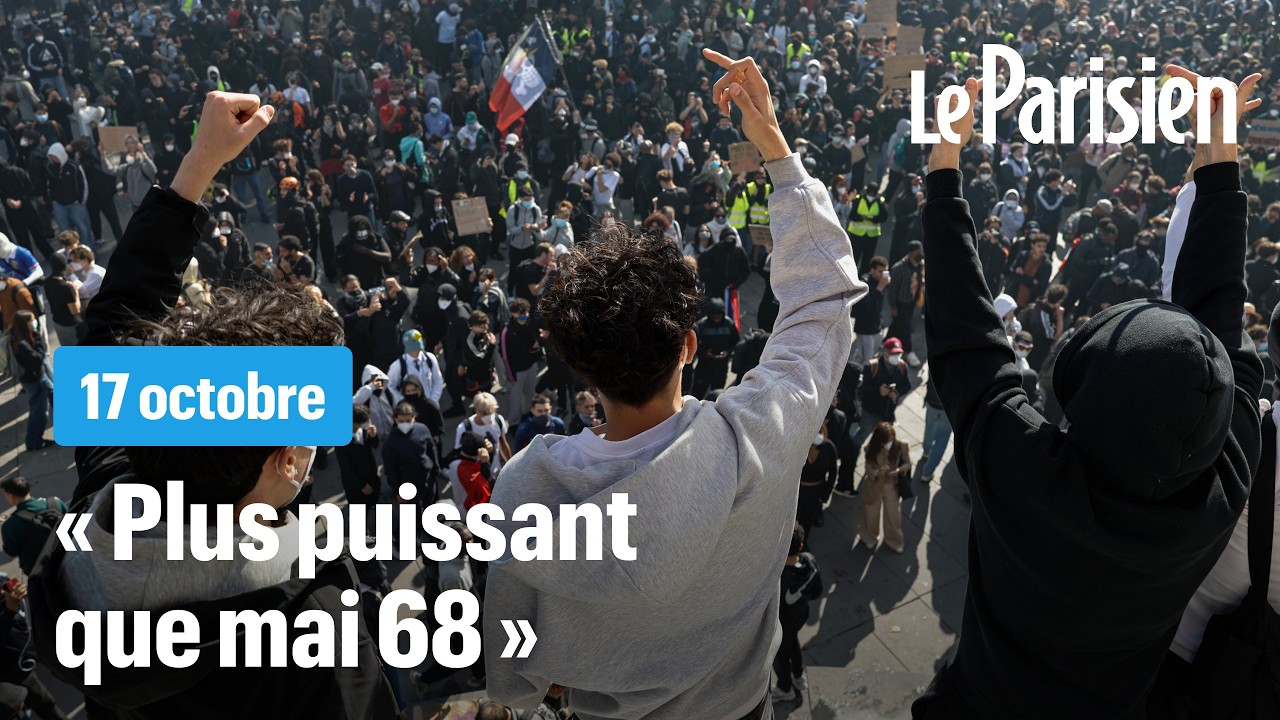
Demonstrations held in several French cities on Saturday 17 October were accompanied by incidents of looting, arson and property damage, affecting shops and foodservice establishments in particular.
In Paris, a McDonald’s restaurant near Gare de l’Est suffered extensive material damage. According to reports published by Le Monde, its interior was devastated, with kitchen equipment and fittings damaged.
In Lorient, two restaurants were reported to have been vandalised, while several other businesses were also targeted. In Paris, a PMU establishment on Boulevard Beaumarchais was reportedly looted, although its precise nature – whether a café-bar or a specialist betting outlet – has not been established.

Hotels also faced tensions during the unrest, although the documented incidents require careful interpretation.
In Lyon, a shop at the foot of the Sofitel was looted, but no damage to the hotel itself has been confirmed. In Paris, guests at a hotel were confronted by masked individuals arriving at the property’s entrance, creating an atmosphere of concern, although no material damage was reported.
At this stage, the press reports reviewed identify several restaurants directly affected but do not provide sufficient evidence to establish a comprehensive assessment of damage sustained by hotels.
GHR condemns the violence and calls for emergency measures
In a statement issued the day after the demonstrations, Catherine Quérard, President of the Groupement des Hôtelleries & Restaurations de France (GHR), condemned the violence, particularly in Paris, Nantes, Marseille, Lyon and Limoges.
She expressed solidarity with hospitality professionals affected by looting and vandalism, emphasising the human and economic consequences of the events.
“Nothing justifies shops, cafés and restaurants being devastated in this way,” she said.
The GHR President drew particular attention to businesses unable to reopen immediately, the investment required to repair their premises and the employment consequences for staff.
She called on the government to clarify the support measures being considered without delay: emergency cash-flow assistance, engagement with insurers, support to safeguard employment and the possible exceptional use of short-time working arrangements.
Her assessment highlights a major difficulty for operators: when a business closes following property damage, revenue stops, but a proportion of its costs remains payable.
In Paris and Île-de-France, Pascal Mousset calls for swift compensation
In a statement dated 18 October, GHR Paris Île-de-France, chaired by Pascal Mousset, also condemned the violence that occurred on the fringes of the demonstrations.
The regional organisation stated that several categories of hospitality businesses had been affected, including restaurants, bars and hotels.
This statement broadens the range of businesses concerned beyond the individual cases identified in initial press reports. However, it provides neither a list of affected hotels nor a quantified assessment of the damage.
GHR Paris Île-de-France is encouraging hospitality professionals to report material damage, enforced closures and financial losses.
Pascal Mousset stressed the need to guarantee the safety of operators, employees and guests:
“This violence is unacceptable. Our professionals should not have to pay the price for these excesses.”
The regional GHR is calling on public authorities to take the necessary measures to prevent further incidents and provide prompt compensation to affected businesses.
UMIH seeks to document losses before initiating compensation procedures
For its part, the Union des Métiers et des Industries de l’Hôtellerie (UMIH) issued a statement on Sunday 18 October condemning the violence and its consequences for hospitality professionals.
The organisation emphasised that hotels, cafés and restaurants had been exposed to events in which they were neither participants nor responsible parties.
It cited damaged shopfronts, threatened establishments, disrupted operations and difficulties faced by employees and customers.
UMIH is urging businesses that have suffered damage, enforced closures or loss of trading income to contact their departmental representatives promptly.
The objective is to compile an assessment of losses, identify the most urgent situations and prepare claims and other procedures involving insurers and public authorities.
Franck Chaumes, Confederal President of UMIH, summarised the organisation’s position:
“Our establishments are not places where people can vent their anger. Our professionals cannot be the ones left paying the bill for violence, demonstration after demonstration.”
UMIH also intends to assist hospitality professionals with compensation procedures, particularly where the applicable legal conditions allow claims under compensation or liability mechanisms.
Insurance, cash flow and employment: Consequences beyond physical damage
For businesses directly affected, the economic consequences extend beyond broken windows and destroyed equipment.
The temporary closure of a restaurant can result in an immediate loss of turnover, while rent, loan repayments, insurance premiums and other fixed costs continue to weigh on the business.
In hotels, disruption can also affect guest reception, reservations, food and beverage services and workforce organisation.
Compensation will therefore be a decisive issue.
Cover for material damage and business interruption losses depends, in particular, on the insurance policies held, the precise circumstances of each incident and the applicable contractual terms. Any potential public liability or compensation mechanisms must also be assessed on a case-by-case basis.
The demands made by GHR and UMIH therefore address two distinct timeframes: the immediate protection of establishments and the financial management of the consequences over the medium term.
For the most financially vulnerable businesses, the speed of compensation and access to support measures could determine whether operations can resume.
LTH Analysis | Business interruption risk at the heart of industry concerns
The violence of 17 October highlights the economic vulnerability of hotels and restaurants to events beyond their control. Beyond the cost of repairs, the central issue is business continuity: lost revenue, continuing fixed costs, premises becoming unavailable and the need to preserve employment. For independent establishments with limited cash reserves, a closure lasting just a few weeks can be enough to destabilise operations over the longer term. The converging demands of GHR and UMIH therefore highlight a challenge extending beyond the repair of physical damage: the speed with which insurance cover can be activated, coordination with public authorities and the ability to prevent an isolated incident from developing into a business failure.
At a Glance
Event: Violence, looting and property damage during demonstrations across France on 17 October 2026.
Restaurants affected: Reported cases include a McDonald’s near Paris Gare de l’Est and two restaurants in Lorient.
Hotels: Some properties were exposed to unrest; GHR Paris Île-de-France also reports hotels among the affected businesses, without identifying individual properties.
Industry response: GHR and UMIH have condemned the violence and expressed solidarity with affected operators and employees.
Key demands: Enhanced security, emergency financial assistance, faster insurance compensation and employment protection.
Economic concern: Business interruption, continuing fixed costs and the risk of prolonged closures.